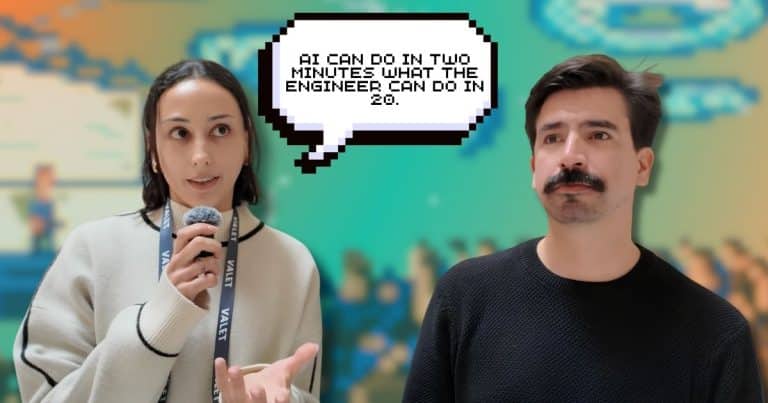
At a CTO Craft Dinner in Toronto, I sat down with engineering leaders from more than a dozen tech companies and asked where AI has actually landed. The free-for-all is over and we need to be realistic.
Twenty developers got real about their jobs: the rush of shipping something that actually works, the way a fat paycheck can make you stay longer than you probably should, and the slow death of sitting through another meeting that should've been an email.
At Devoxx UK, I spoke with Trisha Gee - author and one of the most recognized voices in the Java space - about what really happens when teams lean heavily on AI. Her take was far darker than the conference hype.
Production incidents are a context problem. By the time an engineers understand what's happening, they've already bounced across several different tools - and the incident is still ongoing. PagerDuty thinks MCP is the fix.
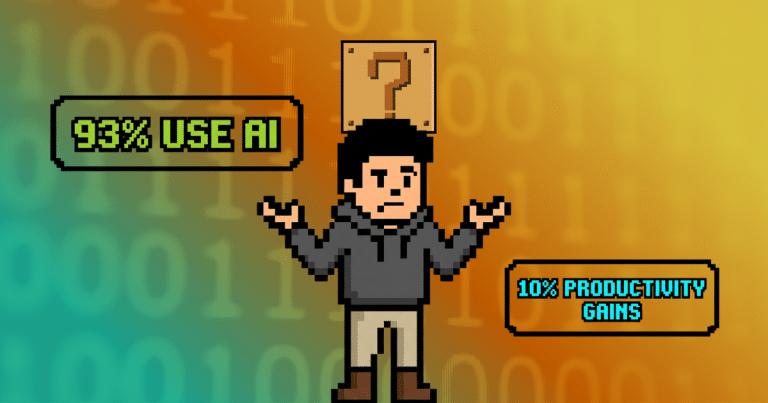
92% of developers use AI coding tools, but productivity has barely moved - stuck at 10%. Here’s why using AI doesn’t automatically mean getting more done.
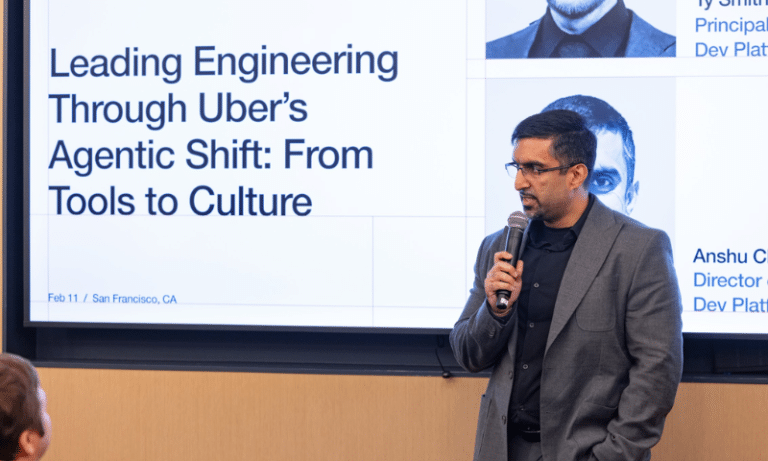
At the Pragmatic Summit, I heard firsthand that Uber engineers aren’t just using AI to write code anymore, they’re assigning it work. Let’s see how that plays out.
I was in the room at this year’s Pragmatic Summit when Laura Tacho dropped the numbers: nearly all developers use AI coding assistants, over a quarter of production code is AI-written - and yet productivity gains haven’t budged past 10%.