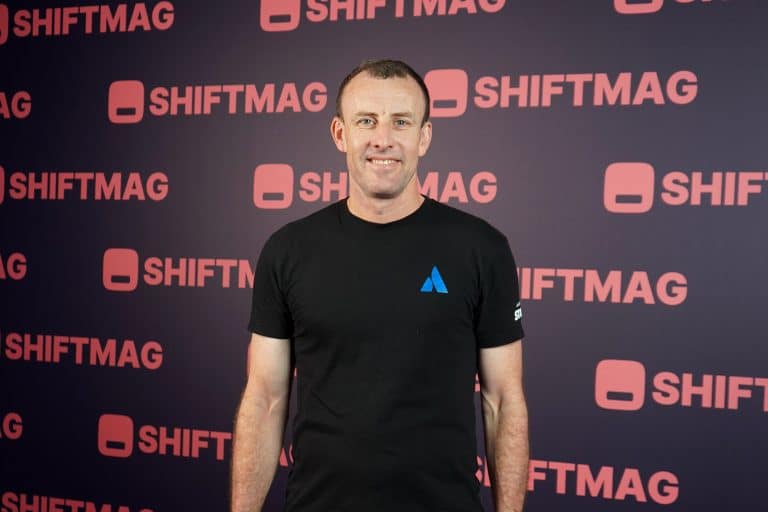
As a Solutions Engineer at Atlassian, Chris Davidson works with clients in an effort to make the most of Atlassian's tools and has first-hand experience of how we adapt to using AI.
A lot of people are leaving software engineering because agent-based workflows killed their joy. I don't have that problem; I never liked the job in the first place.
Voice AI may be sold as a model problem, but the real bottleneck is whether the system can survive real-time demands, stay reliable, and do it at a cost that makes sense.
Over time, the content a messaging campaign sends can shift away from what was originally approved. We call this campaign drift, and in business messaging, it's a real and recurring problem.
Luis Velasco works as a Forward Deployed Engineer at OpenAI. For him, code is becoming very cheap to produce, while building the system around the model is becoming critical.
Dana Lawson leads R&D at Netlify, overseeing engineering, product, and design. From where she sits, she sees the real shift clearly: one person or a tiny team can now cover far more ground.
NVIDIA’s Igor Dmochowski explained that LLMs are no longer limited just by model size or benchmark scores; the cost of longer reasoning means runtime, context length, memory use, and throughput matter just as much.
We’re waiting for the next big AI leap - systems learning from their own experience rather than just human data - and at Infobip Shift, Google DeepMind’s Benoit Schillings said that’s exactly where the field is headed.
Infobip Shift 2026 is officially open, and OpenAI’s Luis Velasco said the real work now is bringing together the data, process, and systems agents need to do the job well and keep improving.
> subscribe shift-mag --latest
Sarcastic headline, but funny enough for engineers to sign up
Get curated content twice a month
Written by people, not robots - at least not yet. May or may not contain traces of sarcasm, but never spam. We value your privacy and if you subscribe, we will use your e-mail address just to send you our marketing newsletter. Check all the details in ShiftMag’s Privacy Notice