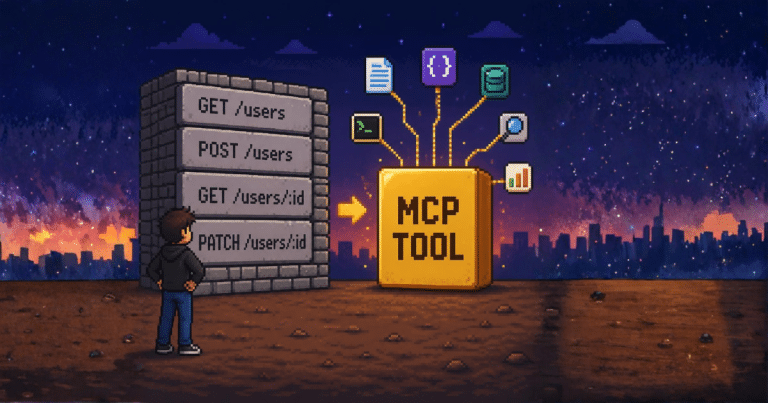
We make many mistakes with MCPs, but one of the biggest is treating them like a 1:1 REST API mapping - when in reality, an MCP tool should be a capability, not just another endpoint.
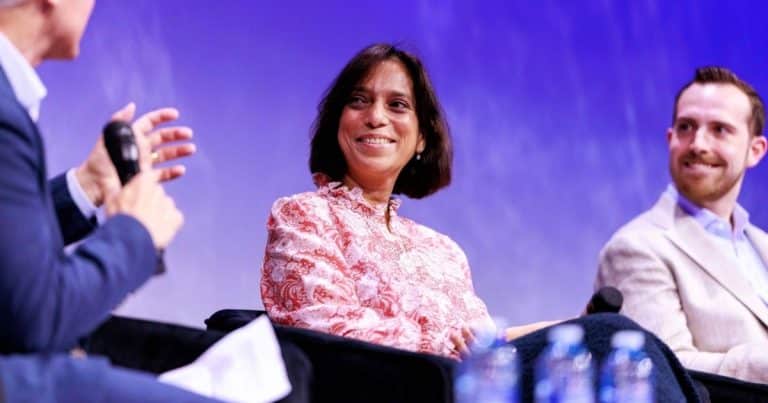
Jordan Topoleski (COO, Cursor) and Pallavi Mahajan (CTO, Nokia) made the case that the next real breakthrough in AI development is agent orchestration.
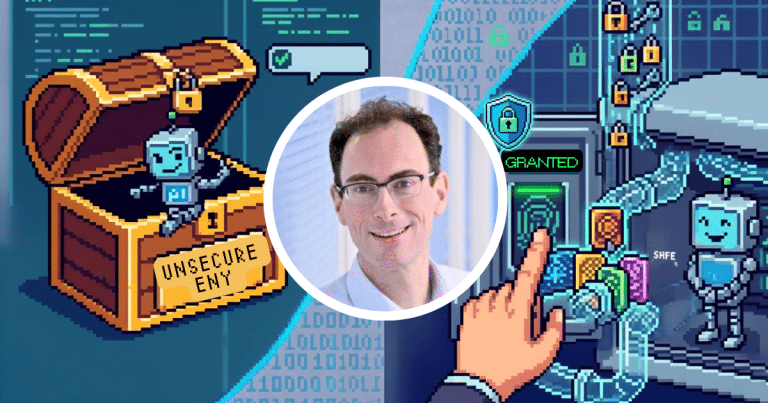
AI agents are already being trusted with real work, but handing them raw credentials is a dangerous shortcut. That's why the next security challenge is controlling what an agent can do once it gets access.
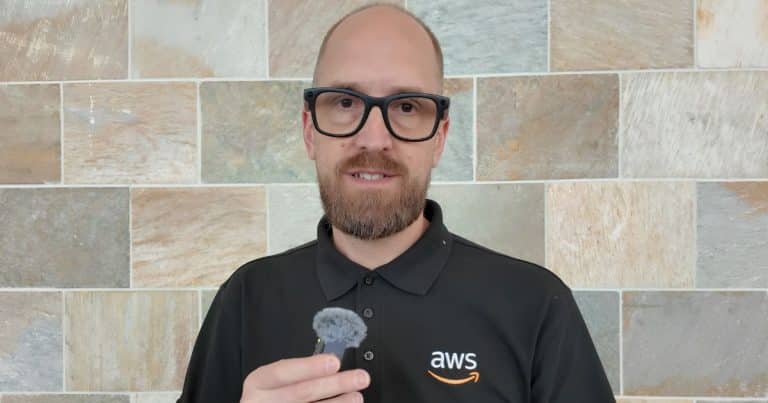
Mike Chambers, Developer Advocate at AWS, says the real test of AI is not whether a demo looks smart, but whether the system around it can survive real-world use.
Engineering teams are starting to resemble legacy Java apps hitting thread exhaustion. I believe change is unavoidable, and we need a better way to organize the work.
At the AI Engineer conference in San Francisco, I heard Instagram co-founder Mike Krieger say developers no longer need to review every line of code by hand. The real job now is judging AI’s decisions and whether the product solves the right problem.
A new kind of builder is emerging inside organizations - one that works fast, ships often, and rarely follows the instincts of a software engineer. That raises a simple question: what happens to security?
I went to Raise Summit in Paris to see whether Lovable is just another tool for non-technical founders - or something developers can actually use to build faster.
We asked engineers how far AI can really go in software delivery, and their answer was simple: it can speed things up, but people still have to make the decisions.
Anyone who’s clicked "always allow" on an agent knows the outcome: broad permissions, minimal oversight, and results that are correct on paper but strange in practice.
As AI tools reshape how software is built, the engineers in our new video say the job is shifting from writing every line by hand to guiding, reviewing, and orchestrating what AI produces.