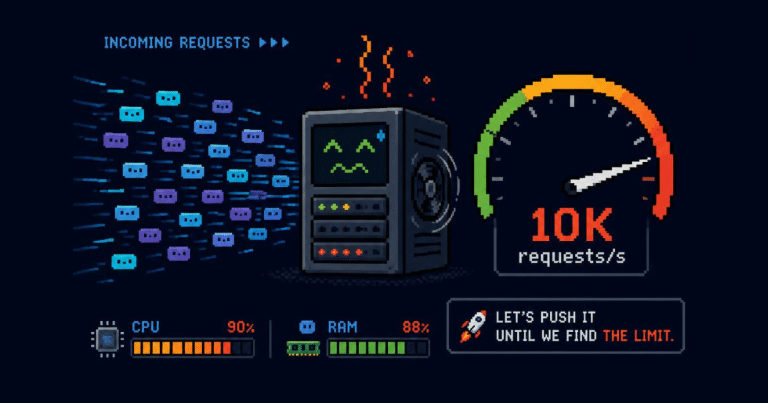
Voice AI may be sold as a model problem, but the real bottleneck is whether the system can survive real-time demands, stay reliable, and do it at a cost that makes sense.
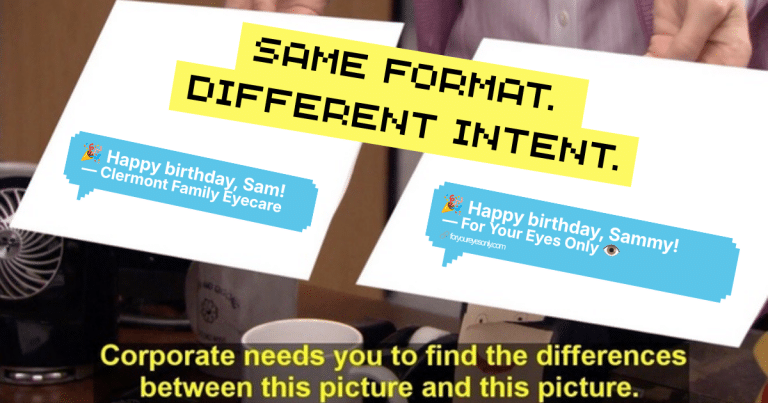
Over time, the content a messaging campaign sends can shift away from what was originally approved. We call this campaign drift, and in business messaging, it's a real and recurring problem.
Developers can prove the code works in a controlled environment. QA checks whether it survives the messy, unpredictable world customers actually live in.
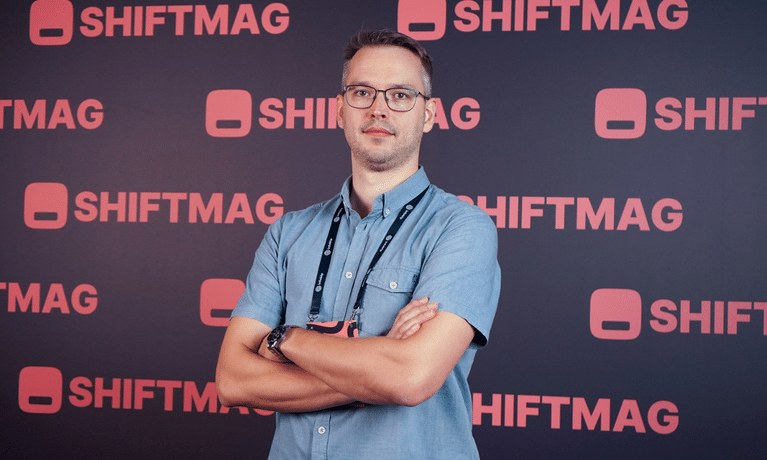
Luis Velasco works as a Forward Deployed Engineer at OpenAI. For him, code is becoming very cheap to produce, while building the system around the model is becoming critical.
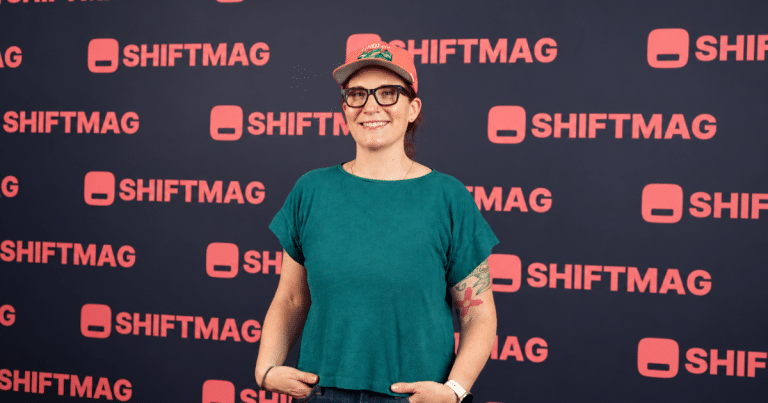
Dana Lawson leads R&D at Netlify, overseeing engineering, product, and design. From where she sits, she sees the real shift clearly: one person or a tiny team can now cover far more ground.
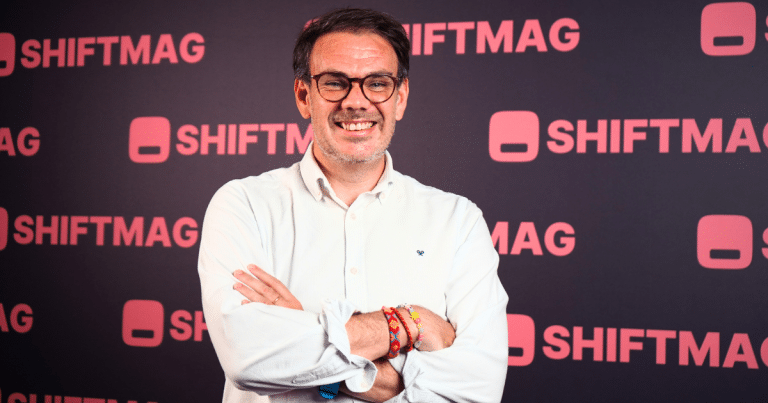
NVIDIA’s Igor Dmochowski explained that LLMs are no longer limited just by model size or benchmark scores; the cost of longer reasoning means runtime, context length, memory use, and throughput matter just as much.
Two-thirds of organizations run AI workloads on Kubernetes, but only 7% do it daily. Katie Gamanji says the ecosystem still needs better operational maturity and standards.