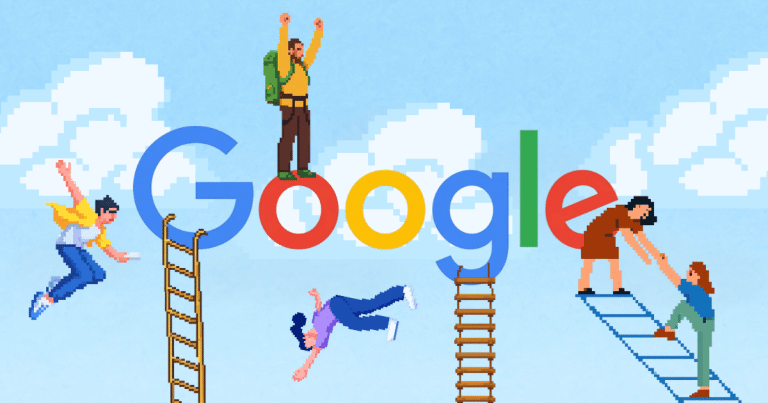
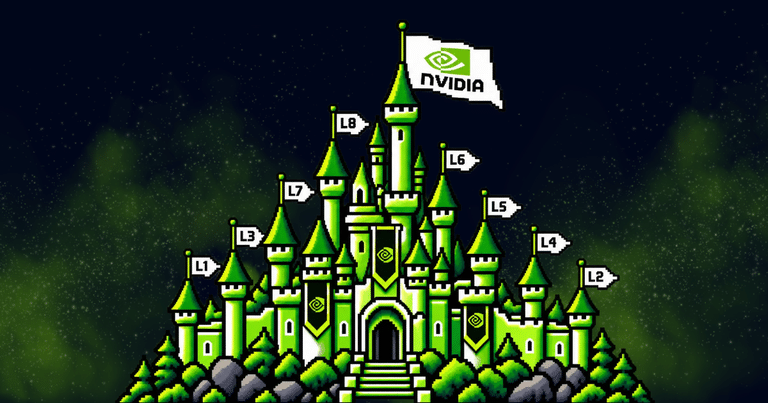
NVIDIA’s career ladder isn’t linear, and it’s pretty hard to make sense of from the outside. I did some digging and asked around, so you don’t have to.
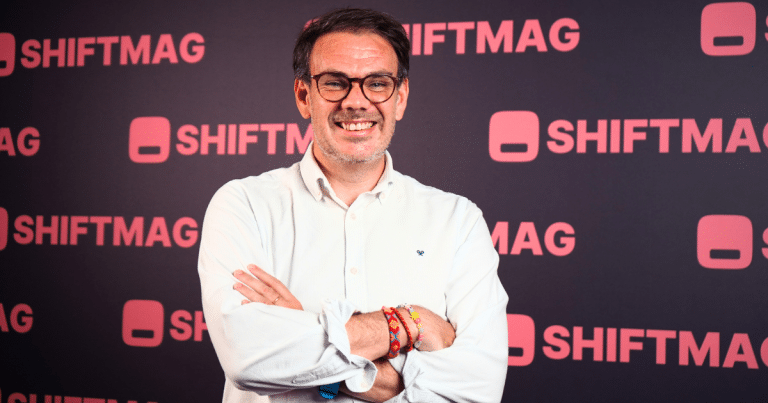
Luis Velasco works as a Forward Deployed Engineer at OpenAI. For him, code is becoming very cheap to produce, while building the system around the model is becoming critical.
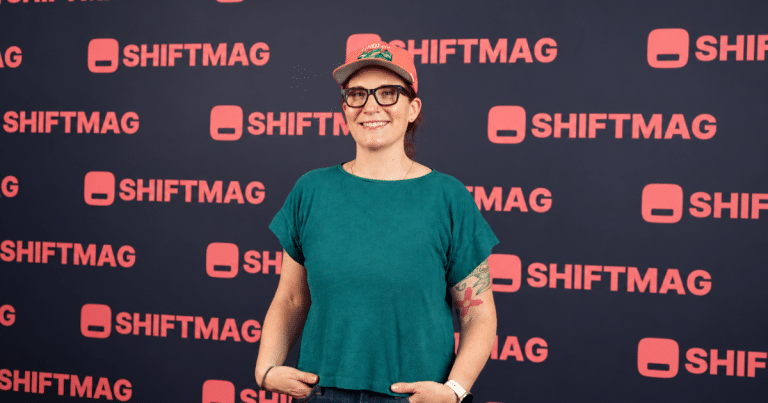
Dana Lawson leads R&D at Netlify, overseeing engineering, product, and design. From where she sits, she sees the real shift clearly: one person or a tiny team can now cover far more ground.
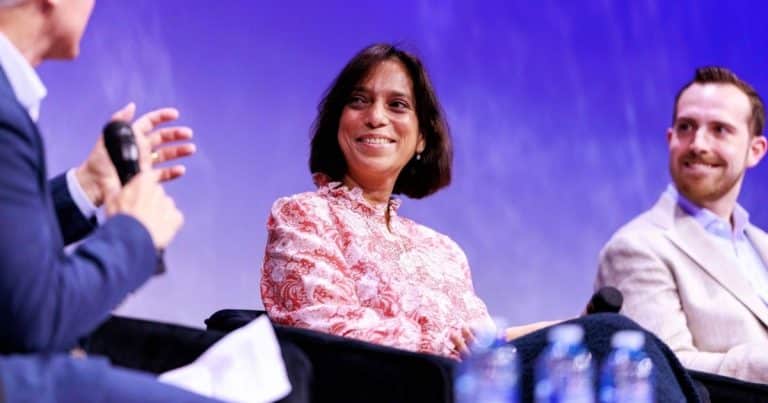
Jordan Topoleski (COO, Cursor) and Pallavi Mahajan (CTO, Nokia) made the case that the next real breakthrough in AI development is agent orchestration.
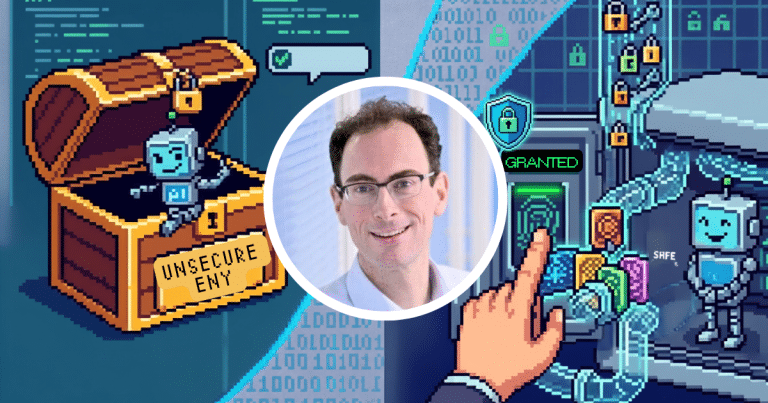
AI agents are already being trusted with real work, but handing them raw credentials is a dangerous shortcut. That's why the next security challenge is controlling what an agent can do once it gets access.
Dana Lawson argues that AI has lowered the barrier to software development so much that the best way to learn is by building, shipping imperfect apps, and improving them along the way.
I went to Raise Summit in Paris to see whether Lovable is just another tool for non-technical founders - or something developers can actually use to build faster.
At Infobip Shift, accomplished speaker and engineer Teresa Wu will talk about how AI is transforming software delivery, multi-platform development, and the future of engineering teams.
A CTO with 20 years of experience through multiple tech shifts sees layoffs not as an AI effect, but as a correction after an unsustainable hiring boom. He sees AI as a reset: an opportunity for strong junior engineers, and a wake-up call for senior developers facing an existential shift in how they stay relevant.
Twenty developers got real about their jobs: the rush of shipping something that actually works, the way a fat paycheck can make you stay longer than you probably should, and the slow death of sitting through another meeting that should've been an email.
 Anastasija Uspenski