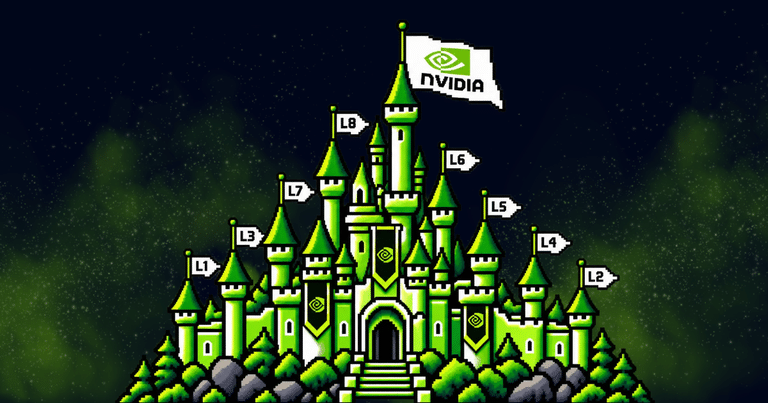
NVIDIA’s career ladder isn’t linear, and it’s pretty hard to make sense of from the outside. I did some digging and asked around, so you don’t have to.
Everyone is busy asking how big the model is, but the real question is what you fed it first - because if your PDFs are mangled and your OCR is sloppy, even the smartest LLM starts from the wrong answer.
Dana Lawson argues that AI has lowered the barrier to software development so much that the best way to learn is by building, shipping imperfect apps, and improving them along the way.
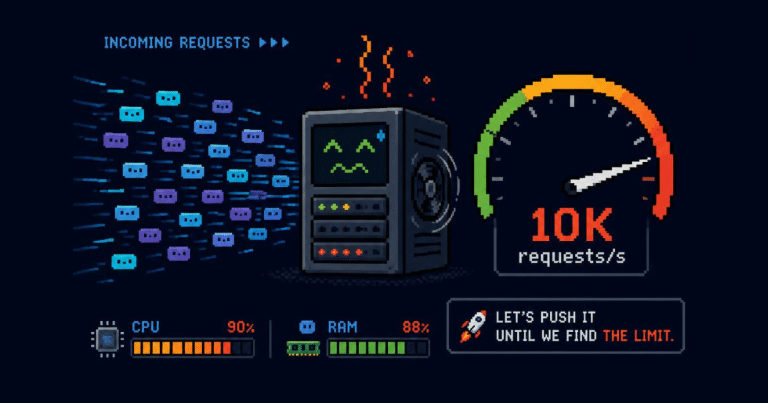
Engineering teams are starting to resemble legacy Java apps hitting thread exhaustion. I believe change is unavoidable, and we need a better way to organize the work.
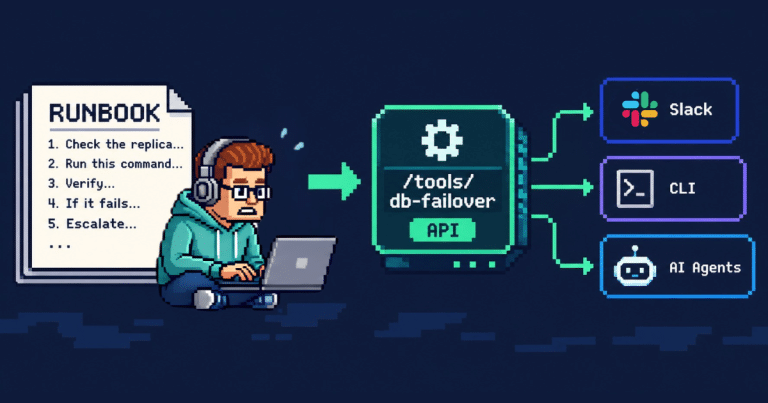
AI can write the code. The harder question is whether anyone still understands what it was supposed to do six months later.
> subscribe shift-mag --latest
Sarcastic headline, but funny enough for engineers to sign up
Get curated content twice a month
Written by people, not robots - at least not yet. May or may not contain traces of sarcasm, but never spam. We value your privacy and if you subscribe, we will use your e-mail address just to send you our marketing newsletter. Check all the details in ShiftMag’s Privacy Notice