At NVIDIA, “Senior Software Engineer” can mean three different levels
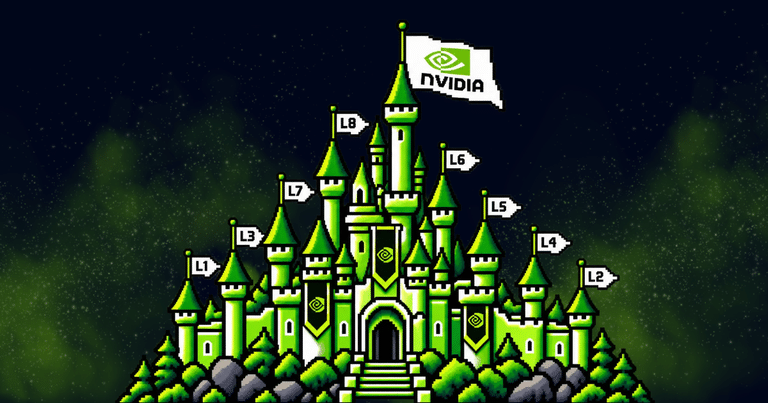
NVIDIA’s career ladder isn’t linear, and it’s pretty hard to make sense of from the outside. I did some digging and asked around, so you don’t have to.
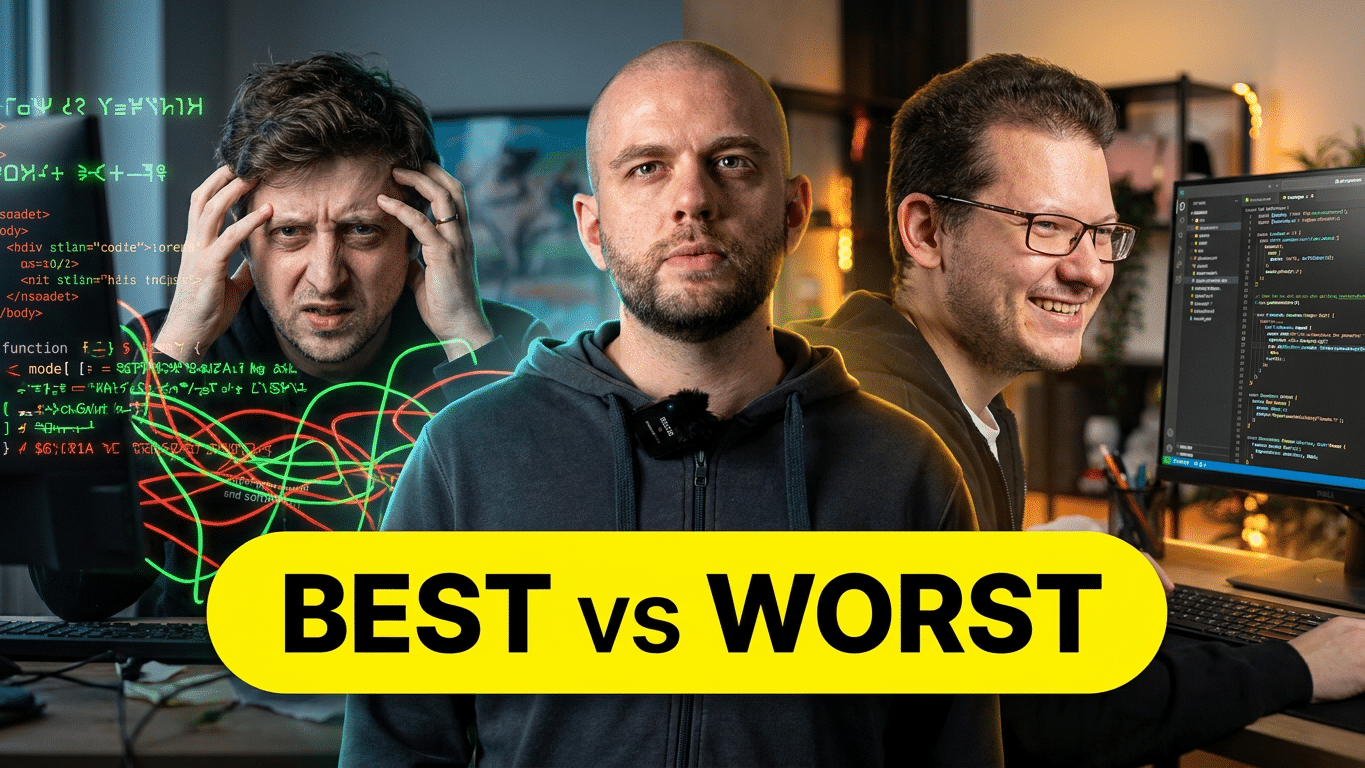
In the latest edition of our Developers Answer series, we spoke with developers about their best and worst projects, the reasons behind the challenges, and the ways they’ve made it across the finish line regardless of the hardships.
Sure, the term “worst” means different things to different people, but most of the engineers agree: the worst types of projects are the ones that aren’t set up well by humans, not the ones that have big technical requirements. And, as you can probably guess, human-designed flaws are much more creative.
For example, one engineer highlighted that the worst project for him was working with family members who were not familiar with software development at all, affecting expectations, realisations and everything in between.
Another situation was a client project that took four months, with progress going smooth up until the last month. Nikola Buhiniček, Engineering Manager, said:
The client changed the scope significantly without much warning. We had to abandon a lot of the work we’d already done and come up with new features and opportunities. It felt like compressing two and a half months of work into one month before the deadline.
Another type of projects that drive engineers crazy are legacy code projects without real instructions on how to approach them, as explained by Edvin Teskeredžić, Senior AI Software Engineer:
We had this old legacy project, basically 10-year-old code which needed to be maintained. It was also all internal libraries but there was no documentation. The documentation simply lived in the heads of senior engineers, so you had to kind of figure it out yourself, and you couldn’t Google it because it was all internal libraries.
In contrast, the best projects tend to be tied to others as well, only this time it’s about great teams and good colleagues. For some engineers, the best projects are those where leadership has a clear vision and that vision is clearly shown to the teams.
Other engineeers, such as Filip Bolčić, Full-Stack Engineer, highlighted teamwork as the best part of the projects they’ve worked on. For example:
Everybody’s insight was really valuable, and I had a great mentor from whom I learned a lot. It was just a really meaningful project for us, we felt really good working on it.
On the other hand, Nikola noted that sometimes, the best projects are the most challenging ones. He explained the process of adding the automations feature to Productive was one of the more challenging and interesting ones he worked on:
It was such a different feature from what we used to do, and I was given the opportunity to build it. In the end it was one of the best features we have. The usage is growing up from month to month. I’m really happy that it was something that I built like two years ago, and it’s still growing so fast.
The hardest thing to fix as an engineer might not even be software-related, according to Hrvoje Rančić, Senior Software Engineer:
My posture. I had really terrible back pain from sitting too much during the COVID era. I think this is a very dangerous job because it involves a lot of sitting, and sitting is the new smoking, so I encourage everyone to move more if you’re a software engineer.
Ergonomics aside, Software Engineer Emin Mulaimović said that some of the biggest recent challenges he had were related to LLM’s:
We had this unstable LLM prompt which basically means you ask the same question and it gives different answers, and the answers are not marginally different. To fix that you just need to rephrase the question over and over and over again until it worked. And then when it worked you didn’t learn anything, you didn’t have fun fixing it, you’re just glad it’s over. Some bugs are fun to fix; this one wasn’t.
On the other end of the spectrum, the toughness of a task comes down to a personal mistake by the engineer themselves, and there’s rarely anything you can do but to fix it. That’s exactly what happened to Filip:
I remember working on a really big-scale production application and accidentally just deleting a lot of important stuff from the database. I was really young in my career and I remember being really stressed out about this, but the project manager protected me and we were able to restore a backup of this database, so in the end everything was good, but it was really stressful for me.
And to further drive the point home, sometimes the fix isn’t even tough, but so time-consuming you think you’re going crazy, as evidenced by Olga Koroleva, Engineering Manager:
I made a bug in the code where entries to the database were written wrong, and I had to manually fix thousands of them. After that, I always double-checked and triple-checked everything.
Make sure to check out the entirety of the video to find more about the best and worst projects, and the challenges of software development!
Special thanks to our engineering colleagues at Infobip, Nikola Buhiniček (Engineering Manager, Productive) and Filip Bolčić, (Full-Stack Engineer, Ars Futura).