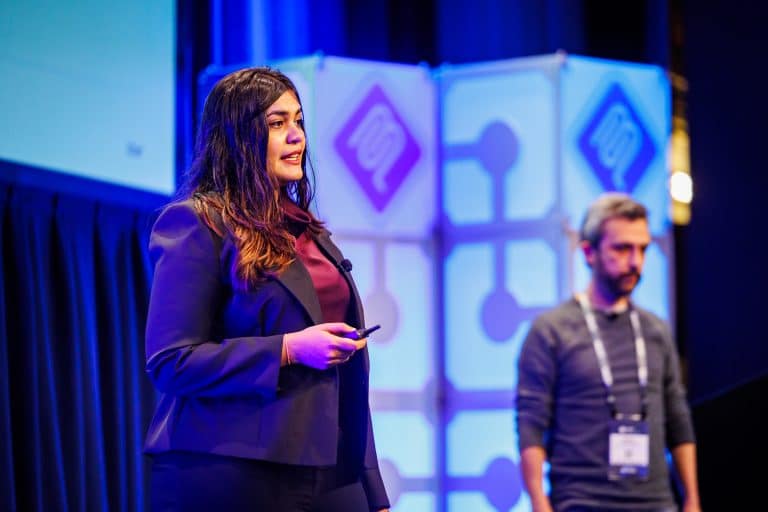
Two-thirds of organizations run AI workloads on Kubernetes, but only 7% do it daily. Katie Gamanji says the ecosystem still needs better operational maturity and standards.
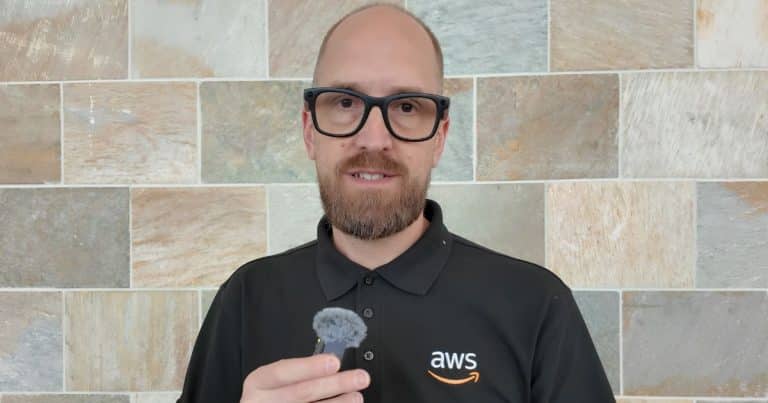
Mike Chambers, Developer Advocate at AWS, says the real test of AI is not whether a demo looks smart, but whether the system around it can survive real-world use.
The jump from mid-level to senior engineer is often framed as a technical one. Michelle Brenner says the real difference is judgment: understanding the business, making pragmatic trade-offs, and knowing when to ask for help.
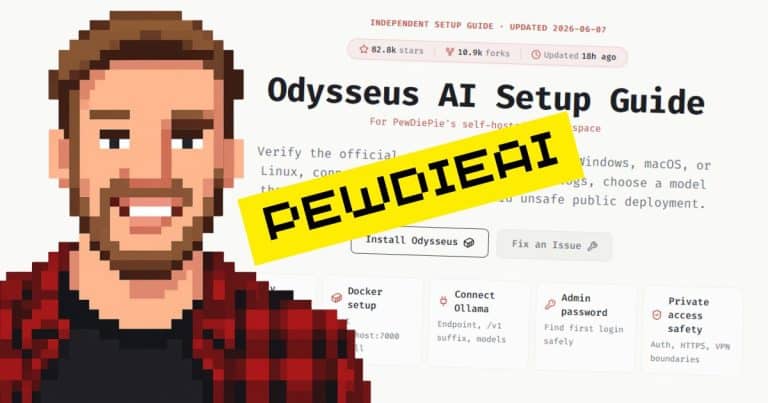
I let the dust settle, and this is what I think: regular apps usually need teams of dozens to ideate, build, and test before they ship. Odysseus, PewDiePie’s new AI platform, doesn’t - at least, not in the usual way.
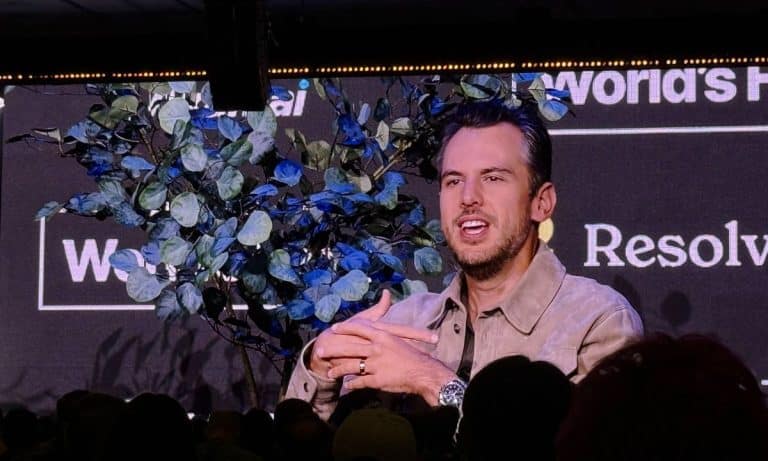
At the AI Engineer conference in San Francisco, I heard Instagram co-founder Mike Krieger say developers no longer need to review every line of code by hand. The real job now is judging AI’s decisions and whether the product solves the right problem.
That mismatch is becoming the real cost of AI-assisted development: code ships faster, but the work of understanding it, checking it, and trusting it hasn’t sped up at all.
At Devoxx UK in London, I caught up with Eoin Woods - co-author of three software architecture books and former CTO of Endava, to find out why beautifully designed systems still break in production.
At Devoxx UK, I spoke with Trisha Gee - author and one of the most recognized voices in the Java space - about what really happens when teams lean heavily on AI. Her take was far darker than the conference hype.
Production incidents are a context problem. By the time an engineers understand what's happening, they've already bounced across several different tools - and the incident is still ongoing. PagerDuty thinks MCP is the fix.
Hearing how Uber scaled to 1.500 AI agents made me realize just how quickly things can spiral when those agents start acting faster than humans can keep up.
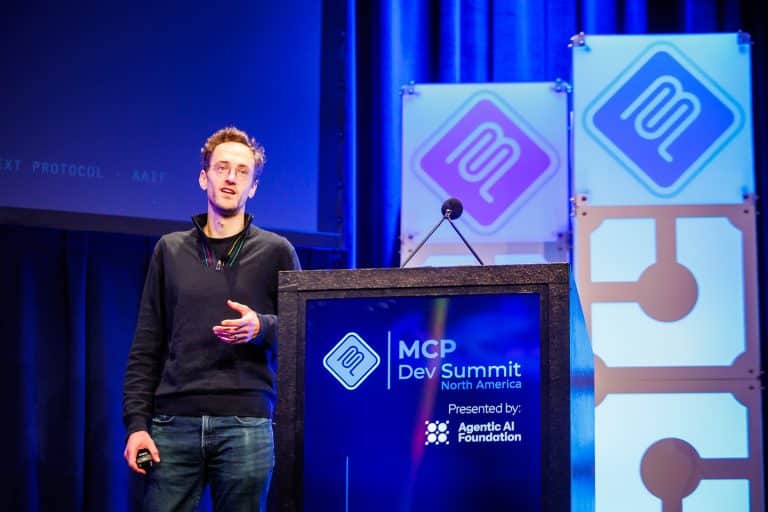
I was at the MCP Dev Summit North America and heard from its co-creator, David Soria Parra, that the question is no longer how to use MCP, but what breaks when you try to scale it.
When was the last time a dev conference taught you something you couldn’t learn online? Probably never. But that’s the wrong benchmark - conferences were never just about information.
> subscribe shift-mag --latest
Sarcastic headline, but funny enough for engineers to sign up
Get curated content twice a month
Written by people, not robots - at least not yet. May or may not contain traces of sarcasm, but never spam. We value your privacy and if you subscribe, we will use your e-mail address just to send you our marketing newsletter. Check all the details in ShiftMag’s Privacy Notice