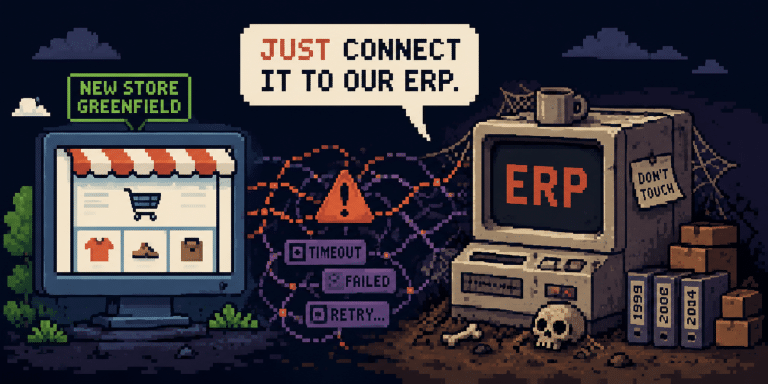
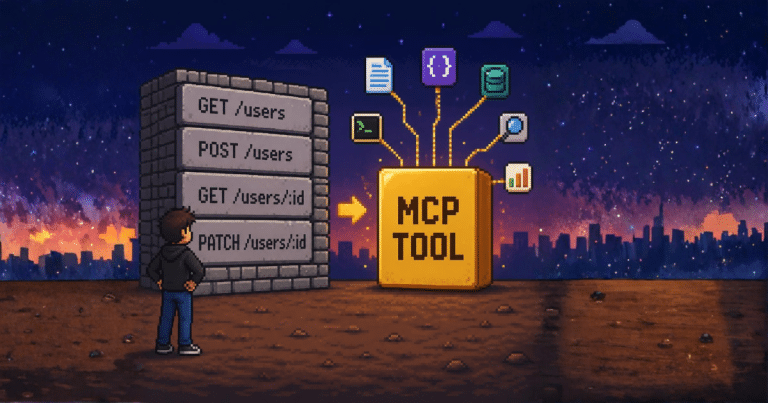
This team was shipping production code at the same time as the MCP specification was taking shape. That is the reality of working with a technology that was evolving in real time.
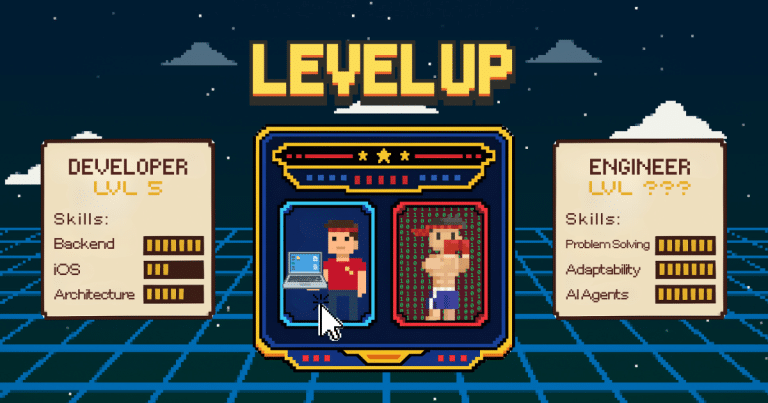
A CTO with 20 years of experience through multiple tech shifts sees layoffs not as an AI effect, but as a correction after an unsustainable hiring boom. He sees AI as a reset: an opportunity for strong junior engineers, and a wake-up call for senior developers facing an existential shift in how they stay relevant.
There is a gap most engineering leaders prefer not to explore: the distance between the clarity they believe they're projecting and the confusion their teams actually experience.
Twenty developers got real about their jobs: the rush of shipping something that actually works, the way a fat paycheck can make you stay longer than you probably should, and the slow death of sitting through another meeting that should've been an email.
At Devoxx UK, I spoke with Trisha Gee - author and one of the most recognized voices in the Java space - about what really happens when teams lean heavily on AI. Her take was far darker than the conference hype.
Production incidents are a context problem. By the time an engineers understand what's happening, they've already bounced across several different tools - and the incident is still ongoing. PagerDuty thinks MCP is the fix.