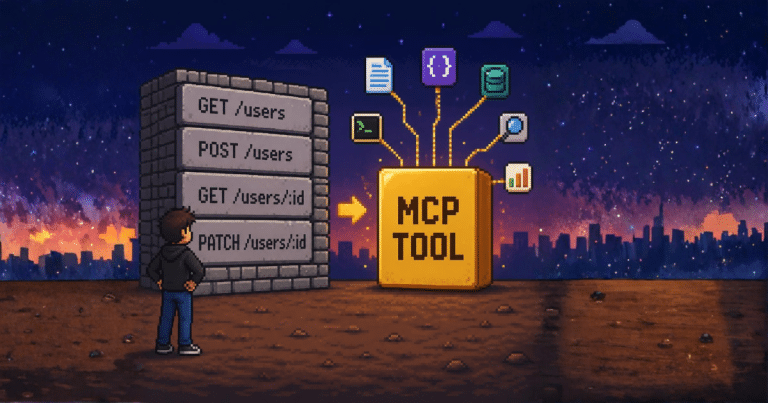
This team was shipping production code at the same time as the MCP specification was taking shape. That is the reality of working with a technology that was evolving in real time.
A CTO with 20 years of experience through multiple tech shifts sees layoffs not as an AI effect, but as a correction after an unsustainable hiring boom. He sees AI as a reset: an opportunity for strong junior engineers, and a wake-up call for senior developers facing an existential shift in how they stay relevant.
Production incidents are a context problem. By the time an engineers understand what's happening, they've already bounced across several different tools - and the incident is still ongoing. PagerDuty thinks MCP is the fix.
Hearing how Uber scaled to 1.500 AI agents made me realize just how quickly things can spiral when those agents start acting faster than humans can keep up.
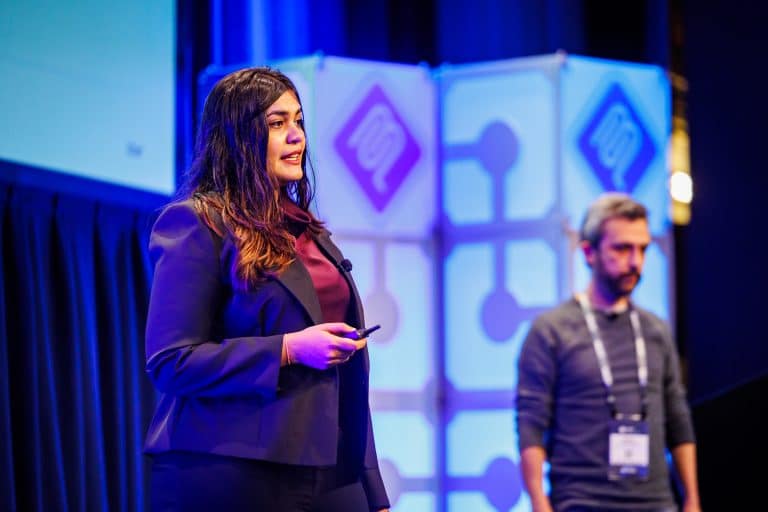
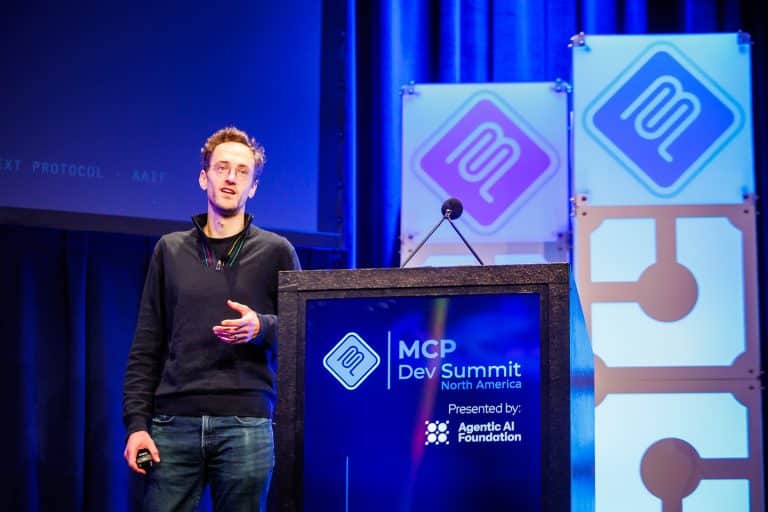
I was at the MCP Dev Summit North America and heard from its co-creator, David Soria Parra, that the question is no longer how to use MCP, but what breaks when you try to scale it.
As AI moves from generating code to taking real actions, MCP provides a crucial safety net - but only if developers enforce strict controls and monitor every move.
Gone are the days of babysitting your AI. As Gift Egwuenu showed at Infobip Shift, agents now think and act for themselves - planning, booking, and getting things done.
Software design has always been human-centered. But in the age of AI agents, that’s starting to look like a limitation, not a virtue. The future of software is not in good UX, but in great AX.
What happens when AI agents stop just chatting and start acting, collaborating, and transforming business - powered by developers behind the scenes? Magic!