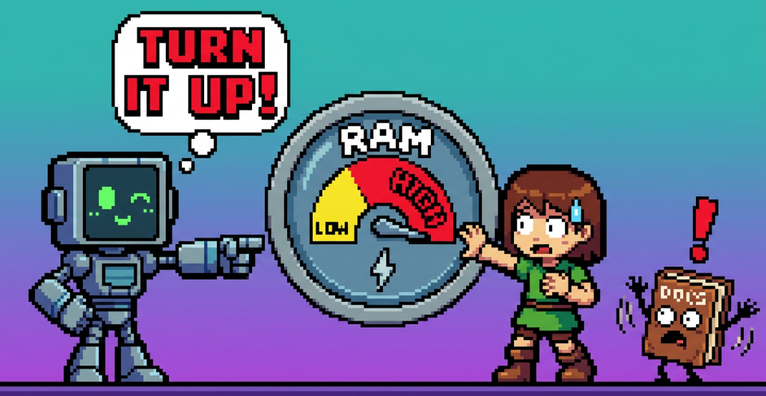
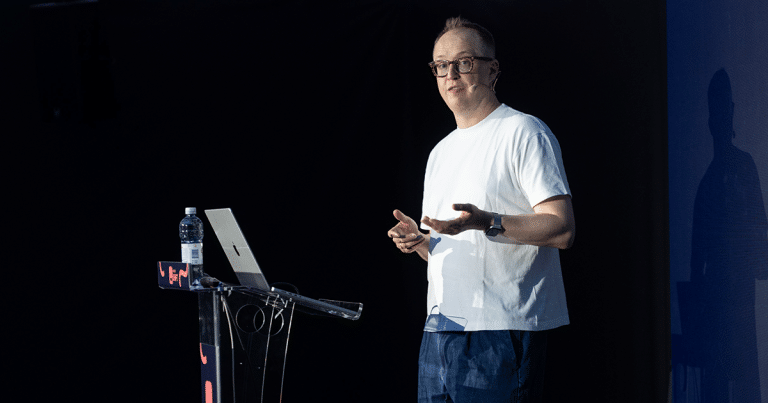
NVIDIA’s Igor Dmochowski explained that LLMs are no longer limited just by model size or benchmark scores; the cost of longer reasoning means runtime, context length, memory use, and throughput matter just as much.
Two-thirds of organizations run AI workloads on Kubernetes, but only 7% do it daily. Katie Gamanji says the ecosystem still needs better operational maturity and standards.
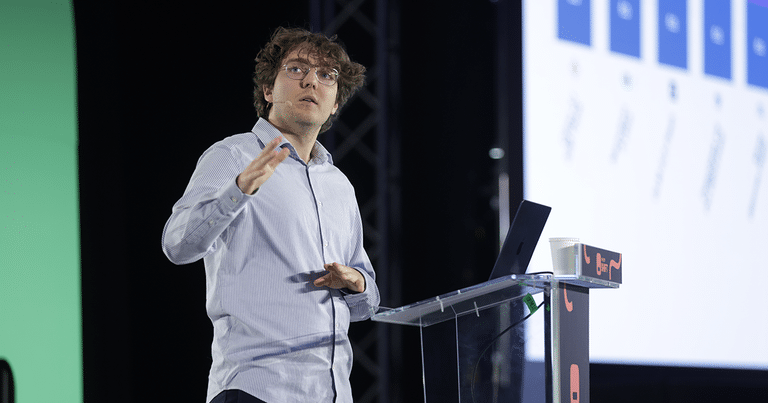
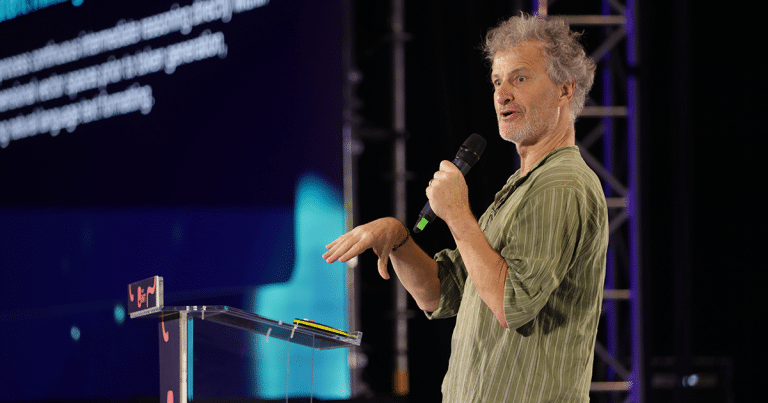
We’re waiting for the next big AI leap - systems learning from their own experience rather than just human data - and at Infobip Shift, Google DeepMind’s Benoit Schillings said that’s exactly where the field is headed.
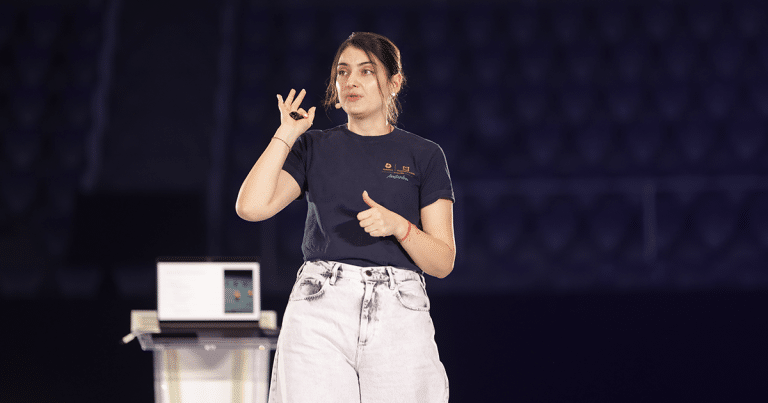
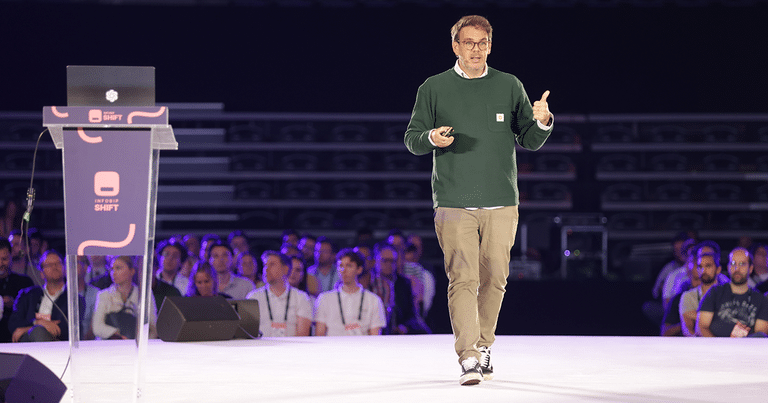
Infobip Shift 2026 is officially open, and OpenAI’s Luis Velasco said the real work now is bringing together the data, process, and systems agents need to do the job well and keep improving.
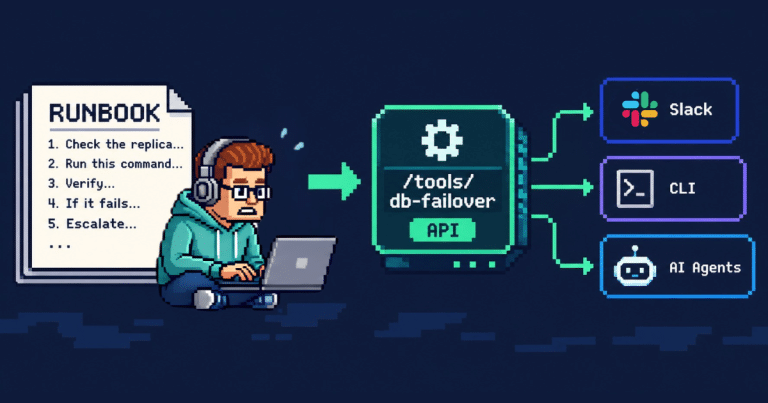
As infrastructure gets more complex, "inside the network" is no longer enough. Users, devices, and AI agents need their own identity and only the access they need.
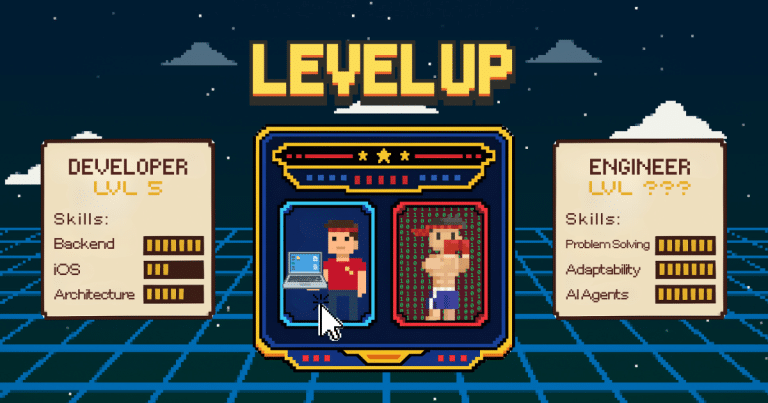
After five years in a codebase I knew by heart, I suddenly found myself back at square one in customer-facing native iOS development, and AI became my lifeline.
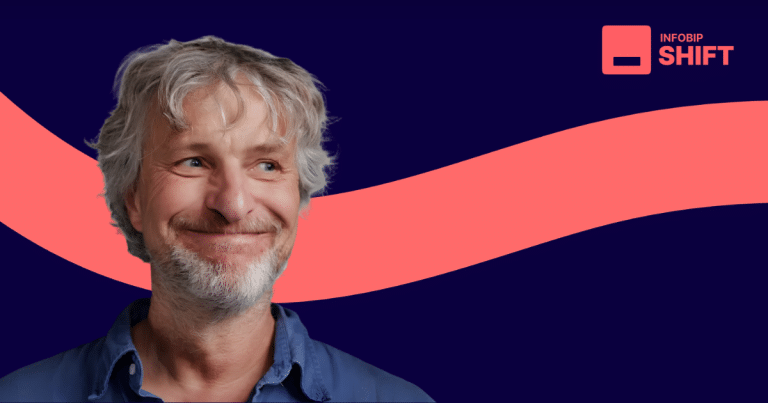
I first met Benoit Schillings, VP of Research at Google DeepMind, in San Francisco to talk about what engineers do when AI writes more of the code. His answer: make sense of the massive systems we inherit. Now, he’s bringing that perspective to Zadar for Infobip Shift 2026.