After months of work, your AI agent can run tasks, create content, even make decisions. Exciting - but how do you use it safely and effectively in the real world?
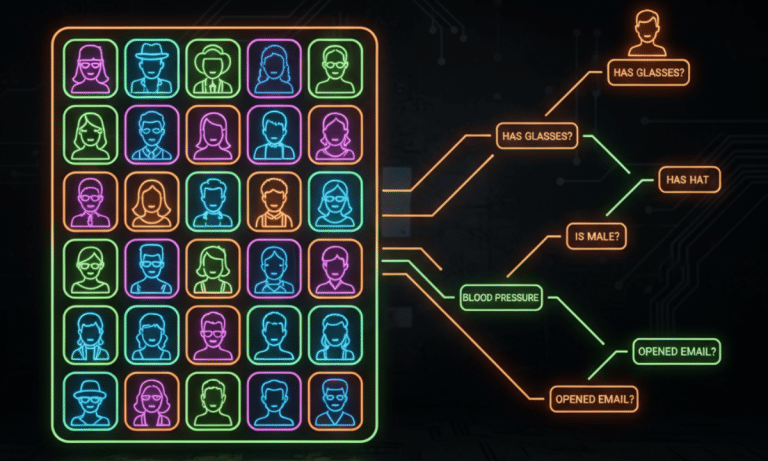
The logic behind a simple game of 'Guess Who?' is identical to how we code one of the most transparent AI algorithms. In Decision Trees, we don’t guess - we ask the question that gives the most information, and mastering that intuition teaches the core of predictive Machine Learning
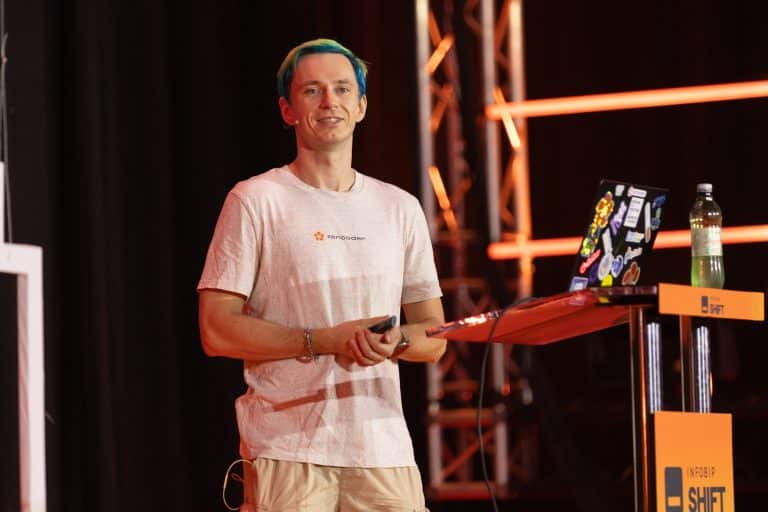
Whether AI will replace human developers has become a typical headline. A recent talk at the Infobip Shift conference in Zadar took a more subtle approach: The future of software development isn’t a human-versus-machine battle but a new kind of collaboration.
For AI agents to work for you you have to train them, refine them, and ultimately build a well-orchestrated agent-to-agent system that can deliver real value.
AI is helping write code and automate tasks, but until it masters true agency (think independent decision-making and goal-setting) it’s still more like a coding assistant than a full-fledged teammate.
Learn strategies like RAG, ReACT, grounding, and function calling to build smarter, reliable AI applications while tackling challenges like hallucinations, outdated data, and security concerns.
> subscribe shift-mag --latest
Sarcastic headline, but funny enough for engineers to sign up
Get curated content twice a month
Written by people, not robots - at least not yet. May or may not contain traces of sarcasm, but never spam. We value your privacy and if you subscribe, we will use your e-mail address just to send you our marketing newsletter. Check all the details in ShiftMag’s Privacy Notice