I was at Pragmatic Summit when Chip Huyen reframed the AI conversation - if any product can be generated from a clear description, code isn’t the constraint, and true value lies elsewhere.
After spending time with OpenClaw and seeing how it actually works, I’m convinced the hype is real. It shows that autonomous AI agents are finally living up to their promise.
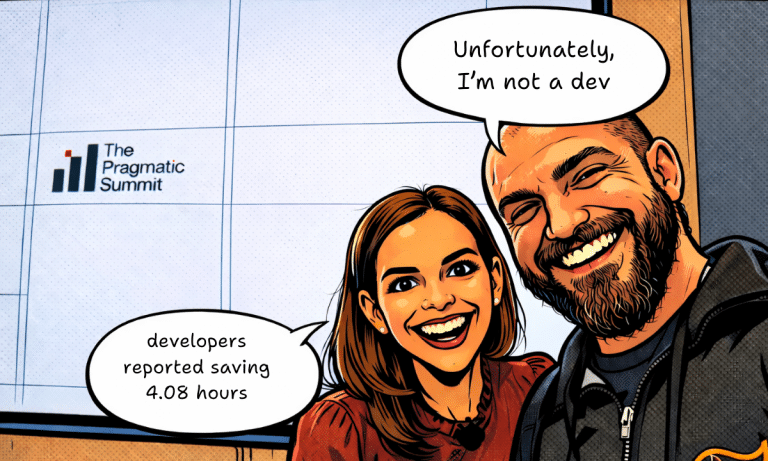
I was in the room at this year’s Pragmatic Summit when Laura Tacho dropped the numbers: nearly all developers use AI coding assistants, over a quarter of production code is AI-written - and yet productivity gains haven’t budged past 10%.
That number is expected to rise to 65% within two years. Yet 96% of developers, according to this Sonar research, say they don’t fully trust AI-generated code.
After months of work, your AI agent can run tasks, create content, even make decisions. Exciting - but how do you use it safely and effectively in the real world?
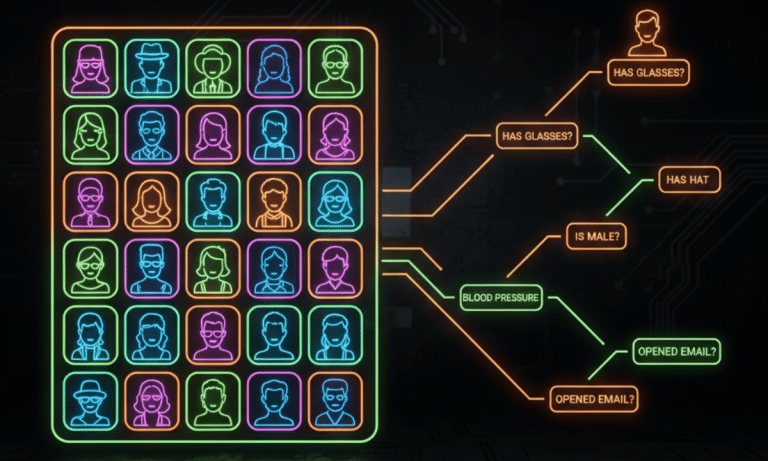
The logic behind a simple game of 'Guess Who?' is identical to how we code one of the most transparent AI algorithms. In Decision Trees, we don’t guess - we ask the question that gives the most information, and mastering that intuition teaches the core of predictive Machine Learning
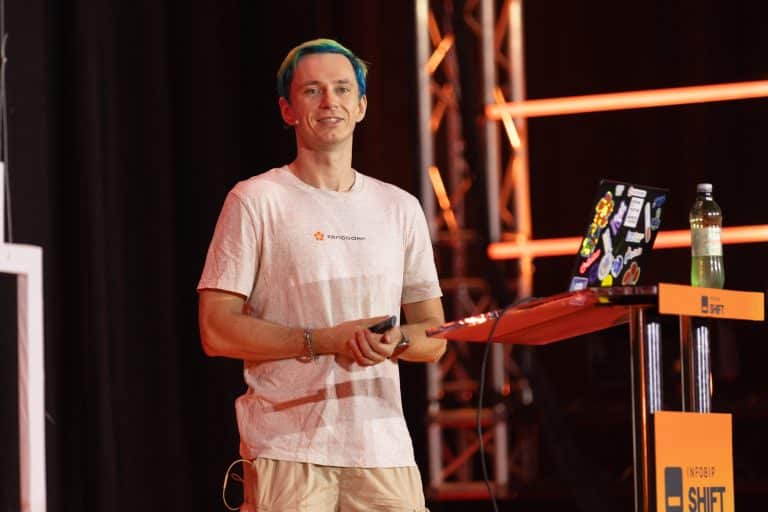
Whether AI will replace human developers has become a typical headline. A recent talk at the Infobip Shift conference in Zadar took a more subtle approach: The future of software development isn’t a human-versus-machine battle but a new kind of collaboration.
For AI agents to work for you you have to train them, refine them, and ultimately build a well-orchestrated agent-to-agent system that can deliver real value.