Engineering teams are starting to resemble legacy Java apps hitting thread exhaustion. I believe change is unavoidable, and we need a better way to organize the work.
A new kind of builder is emerging inside organizations - one that works fast, ships often, and rarely follows the instincts of a software engineer. That raises a simple question: what happens to security?
At Devoxx UK in London, I caught up with Eoin Woods - co-author of three software architecture books and former CTO of Endava, to find out why beautifully designed systems still break in production.
As AI tools reshape how software is built, the engineers in our new video say the job is shifting from writing every line by hand to guiding, reviewing, and orchestrating what AI produces.
Twenty developers got real about their jobs: the rush of shipping something that actually works, the way a fat paycheck can make you stay longer than you probably should, and the slow death of sitting through another meeting that should've been an email.
At Devoxx UK, I spoke with Trisha Gee - author and one of the most recognized voices in the Java space - about what really happens when teams lean heavily on AI. Her take was far darker than the conference hype.
I spoke with four veteran software engineers to explore how they’re approaching long-term career resilience and adapting their skills to stay effective in the field.
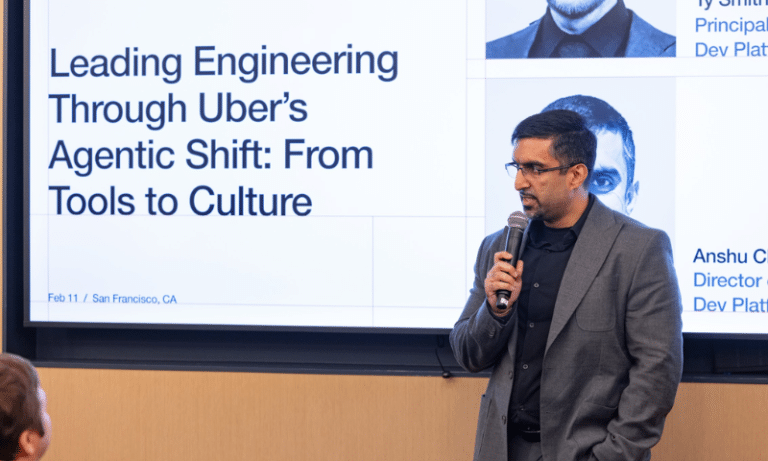
At the Pragmatic Summit, I heard firsthand that Uber engineers aren’t just using AI to write code anymore, they’re assigning it work. Let’s see how that plays out.
After spending time with OpenClaw and seeing how it actually works, I’m convinced the hype is real. It shows that autonomous AI agents are finally living up to their promise.
With AI building features, teams must shift from doing tasks to orchestrating them - PMs guide intent, engineers oversee systems, designers review output live, and QA builds self-healing processes.