Anyone who’s clicked "always allow" on an agent knows the outcome: broad permissions, minimal oversight, and results that are correct on paper but strange in practice.
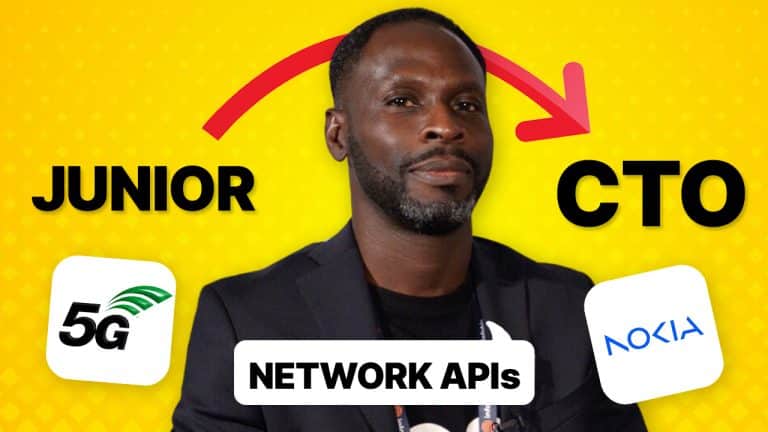
A CTO with 20 years of experience through multiple tech shifts sees layoffs not as an AI effect, but as a correction after an unsustainable hiring boom. He sees AI as a reset: an opportunity for strong junior engineers, and a wake-up call for senior developers facing an existential shift in how they stay relevant.
Twenty developers got real about their jobs: the rush of shipping something that actually works, the way a fat paycheck can make you stay longer than you probably should, and the slow death of sitting through another meeting that should've been an email.
Behind every text, voice call, and digital message that reaches our phones, there's a sprawling, complex system of servers, cables, and code. For a company like Infobip, which processes up to 10 billion messages a day, this infrastructure isn't just a foundation — it's a story of evolution.
For AI agents to work for you you have to train them, refine them, and ultimately build a well-orchestrated agent-to-agent system that can deliver real value.