Engineering teams are starting to resemble legacy Java apps hitting thread exhaustion. I believe change is unavoidable, and we need a better way to organize the work.
Twenty developers got real about their jobs: the rush of shipping something that actually works, the way a fat paycheck can make you stay longer than you probably should, and the slow death of sitting through another meeting that should've been an email.
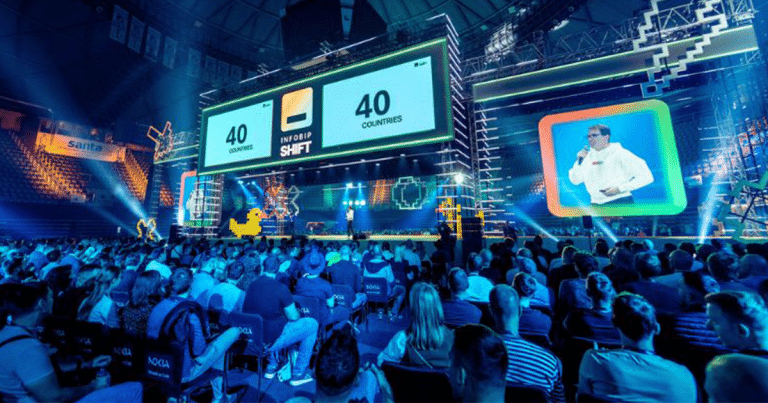
Infobip Shift 2026, Europe’s leading developer and AI conference, will be held in Zadar from September 13 to 15, bringing together developers and engineers from around the world once again.
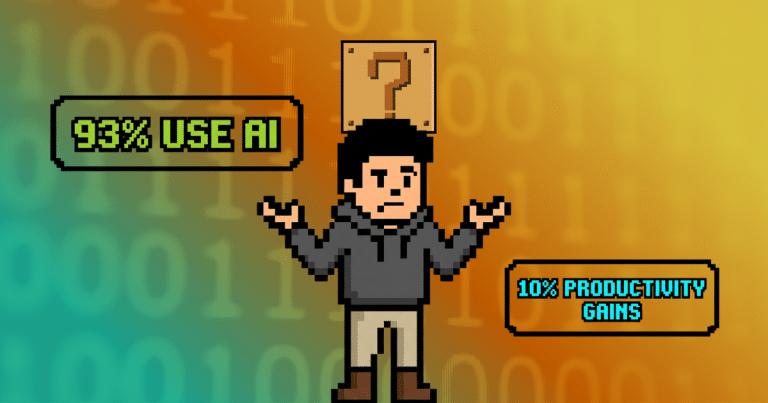
92% of developers use AI coding tools, but productivity has barely moved - stuck at 10%. Here’s why using AI doesn’t automatically mean getting more done.
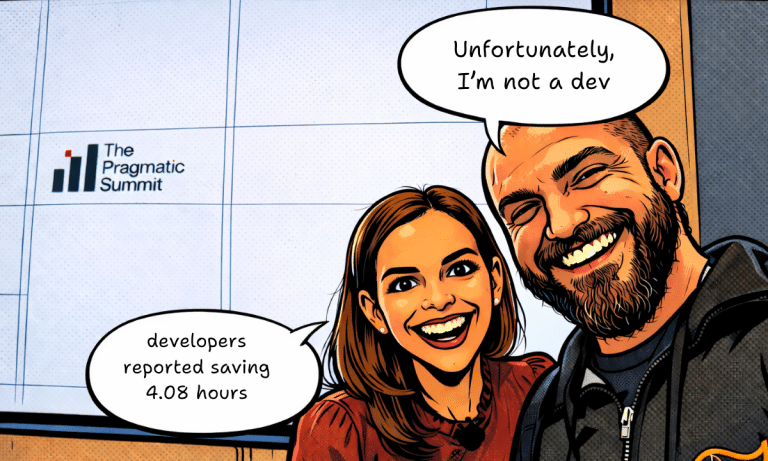
I was at Pragmatic Summit when Chip Huyen reframed the AI conversation - if any product can be generated from a clear description, code isn’t the constraint, and true value lies elsewhere.
I was in the room at this year’s Pragmatic Summit when Laura Tacho dropped the numbers: nearly all developers use AI coding assistants, over a quarter of production code is AI-written - and yet productivity gains haven’t budged past 10%.
The following is an attempt to clarify the circumstances of a production incident that happened more than 10 years ago; it is also a lesson to all of us to decouple our production servers from boilers in distant Balkan countries.
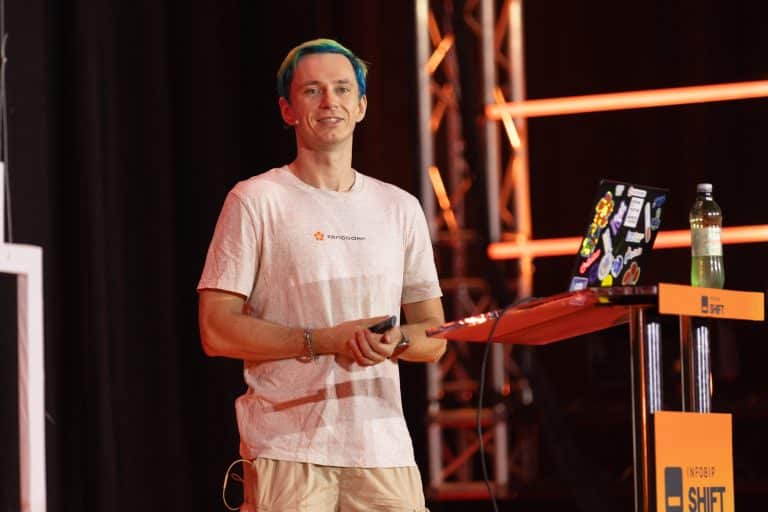
Whether AI will replace human developers has become a typical headline. A recent talk at the Infobip Shift conference in Zadar took a more subtle approach: The future of software development isn’t a human-versus-machine battle but a new kind of collaboration.
You don’t need 10x engineers. You need a team that ships safely, learns constantly, and doesn’t rely on heroics. Build systems that make that possible.