It May Take Longer to Review a PR Than It Takes to Write It

That mismatch is becoming the real cost of AI-assisted development: code ships faster, but the work of understanding it, checking it, and trusting it hasn’t sped up at all.

More work means more tasks, and more tasks requires better organizing. But building a company that lasts in a competitive market is far harder. Amir Salihefendic did just that with Doist – the company behind the task management tool Todoist and async communication tool Twist.
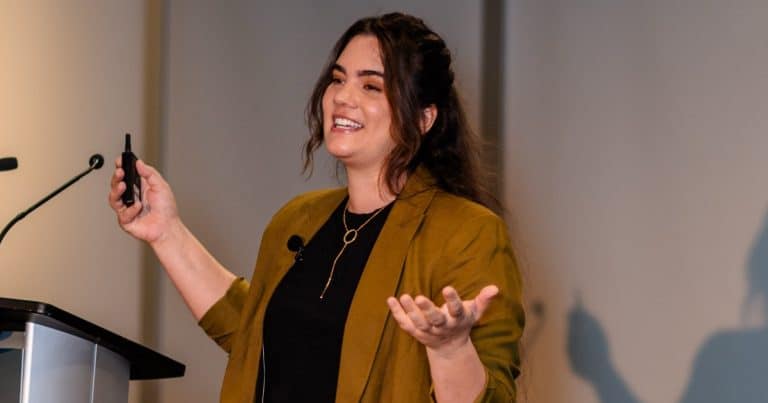
Ahead of the Infobip Shift Conference in Zadar this September (for which you get a special discount as a ShiftMag reader), we spoke with Amir, who will be one of the speakers. Reflecting on Doist’s longevity, he said, “We’ve always thought in decades, not quarters.”
While many Todoist competitors raised big funding rounds and grew too fast before being acquired or shutting down, Doist chose a slower, steadier path focused on product and users – and it paid off.
Doist has also been remote-first from the start and is often cited as an early example of remote work at scale.
They have spoken often about job satisfaction, mental health and wellbeing, but he says Doist hasn’t “solved” mental health in remote work. Instead, the company is structured to make people less likely to feel isolated or overworked, or to struggle quietly.
Furthermore, Amir explained:
Remote work offers freedom, but it can also blur boundaries and create loneliness. So we focus on making it sustainable, not on making it glamorous. We’re remote-first, not nomad-first: people can work from anywhere, but we encourage them to build roots near friends, family, and community.
For Amir, people simply do their best work when they have good lives. Simple as it may be, it’s also something that goes completely over the heads of many companies, especially fast-growing startups in the “AI hustle” era.
A quick Google or LinkedIn search tells you all you need to know about the state of productivity apps and software in 2026. The marketplaces are flooded with AI tools and wrapper apps, creating a greater need for quick success than just a few years before, and a “closing window” dynamic where developers must achieve massive scale in months or disappear.
Amir tells us that, despite this, many of the fundamentals still matter:
Are you solving a real customer pain point in a 10x way? Is your solution differentiated? Do you have strong marketing and a memorable brand?
Continuing, Amir says that the bar to create has dropped dramatically, but the quality bar has risen just as much. To succeed now, one needs to build something far better than what was required when Amir was starting out. Concluding, Amir says that you “need to be incredible at many things, such as design, marketing and sales, not just software.”
Doist emphasizes deliberate decision-making, and that same approach shapes its engineering culture. For Amir, “engineering culture at Doist” means:
Making clear technical choices and trade-offs that help us serve users, move faster with confidence, and build durable foundations. It’s about thoughtful preparation, strong ownership, high-quality systems, and focusing on the technical work that matters most (not chasing everything at once).
Speaking of engineering, Amir’s talk at Infobip Shift will be watched by engineers and leaders in the space, many of whom are building products themselves. To them, he says that the engineering mindset is still incredibly useful for building and scaling companies, and that engineering still matters a lot in 2026.
Make sure to reserve your ticket with a special discount for ShiftMag readers!