CTOs Face Pressure to Deliver AI Gains, but Productivity Isn’t There Yet
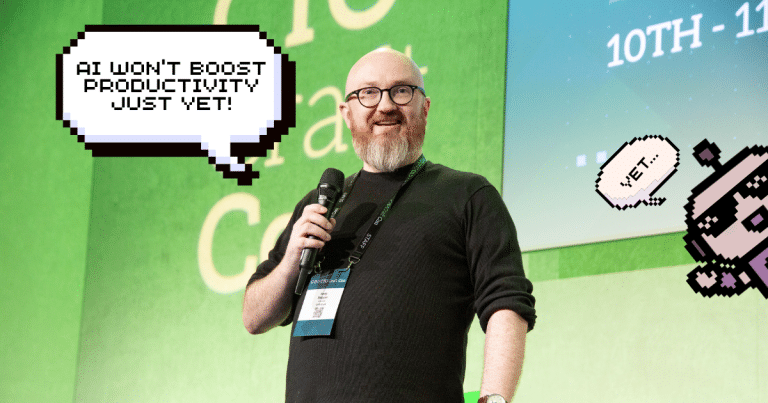
Andy Skipper, founder of CTO Craft, warns that even seasoned CTOs struggle with the pressure to deliver AI-driven productivity while balancing innovation and reality.

Why would you, as a developer, fly halfway around the world to hear something you could Google in minutes?
“Because there’s more to it than just getting plain information,” says Mark Hazell, organiser of Devoxx UK and co-founder of Voxxed.
Conferences feel like one of the few places where simply showing up still counts. In a way, they’re a throwback, a reminder that not all value happens behind a screen.
And that’s precisely what makes them stand out: remote work offers undeniable flexibility, but it often fragments our attention. It’s hard to find real focus, especially if you’re trying to keep a healthy work-life balance. At a conference, that changes, as Mark points out.
Simply not being distracted by incoming mail or slack messages is worth its weight in gold in terms of the knowledge you take away.
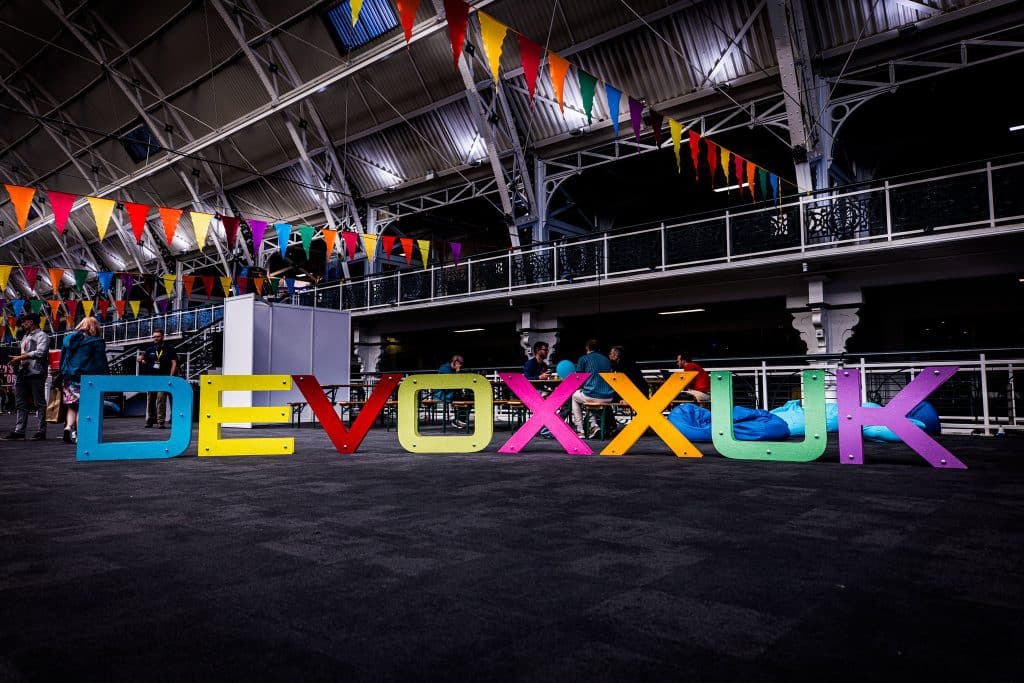
The person next to you might be facing the same problem, or they might have already solved it. That kind of closeness makes learning immediate, practical, and way faster than online.
Many people tell me they watch a session on-demand from Devoxx UK and wish they could be in the room so they can chat with others who are facing similar challenges or are even further along in finding solutions.
Let’s face it: conferences aren’t cheap. Between tickets, flights, and hotels, the costs add up fast. And with companies tightening budgets and cutting back on travel, that expense really matters. If you don’t get real value in return, it can quickly feel like a waste of both time and money.
Mark doesn’t deny it. Instead, he reframes the question: if you take your team to the right conference, you’ll see a strong return.
The keyword here is well-chosen:
I do think it’s key to research up front and find the conference that accelerates learning and problem solving in ways truly relevant to those attending. That way, instead of weeks of trial and error, your team can spend a day or two at the conference and return with practical techniques, ideas, and tooling suggestions that boost productivity and quality.
Picking the right conference is all about fit. How long will your team be out? Is the ticket worth it? Will they meet people facing similar challenges? That’s where the real value is, says Mark. Plan ahead, and early bird tickets, flights, and hotels cost a lot less than last-minute bookings.
It might seem that large flagship conferences have the upper hand with bigger budgets, bigger names, and more production. And in some cases, that’s true, Mark admits: “If a conference is run by a large company with deep pockets, it can be more financially resilient.”
But that’s not the model Devoxx relies on, its strength comes from the community: they rely on a big team who volunteer their time and help them pull together all of the content, shape how the event looks and feels, and execute it on the ground.
In fact, many of today’s most respected conferences began as small, grassroots initiatives, including Devoxx itself, which grew from the London Java Community.
And for Mark, the real distinction isn’t size – it’s about quality and intent:
Whatever the size of the event, the content has to stay balanced and neutral. Without that, scale doesn’t mean much.
Modern conferences sit at the intersection of learning, hiring, and business. Sponsorships and recruitment are part of the reality, especially in expensive cities like London. But Mark doesn’t see it as a trade-off between developers and companies:
I prefer the notion of weaving strands together to create a fabric that everyone is part of.
That means creating an environment where attendees benefit from sponsors being present and sponsors benefit from genuine interaction with the community.
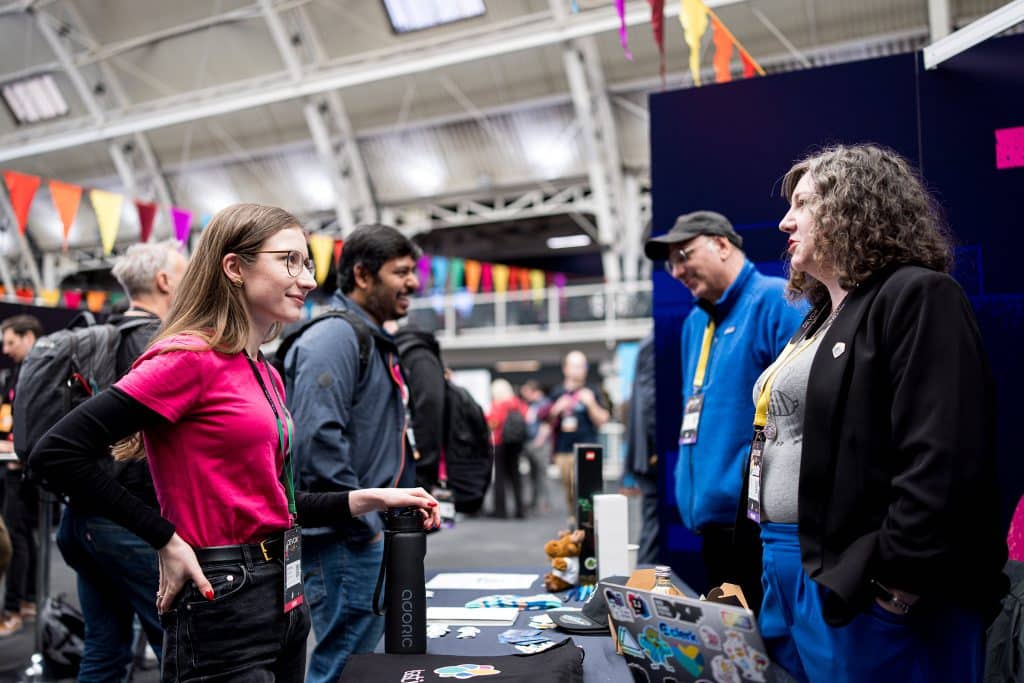
That same philosophy extends to how Devoxx grows by creating real opportunities for first-time speakers, helping them gain experience and build confidence. Many return to mentor the next group, creating a self-sustaining cycle that supports the broader developer community.
When there’s no barrier, people talk more freely, ask more questions, and connect naturally, Mark says.
Our philosophy is to create an environment where everyone is equal (sorry speakers, that means no private room out back to go hang out in), everyone is welcome and everyone is respected. This is noticeable and means the event has this really special, open vibe to it.
As Mark puts it, when people feel welcome and respected, they talk, share, and enjoy themselves, and meaningful connections naturally follow. “Sure, we do stuff like hosting evening socials, a party, a pub quiz,” he says, “but it’s really the collective buy-in from everyone to welcome and respect each other that makes all the difference.”
ShiftMag is recognized as a friend of the Devoxx UK conference.